Trading Made Simple and Effective in 2026 with Proven Strategies
You can order the same kind of articles for your own video to boost it on YouTube and Google. Just message the Telegram bot @sat_sit_bot. Articles with your video embedded are written and posted by the bot itself — on popular topical sites (no ads). Your first 50 articles are free.
· based on the channel Tori Trades
Key takeaways
- Trading does not require advanced math or economics degrees
- Trendlines and liquidity concepts form the core of simple strategies
- Managing trades actively reduces risk in volatile markets like gold futures
- Using platforms like TradingView and TradeStation enhances trade execution
- Tracking trades systematically helps improve performance over time
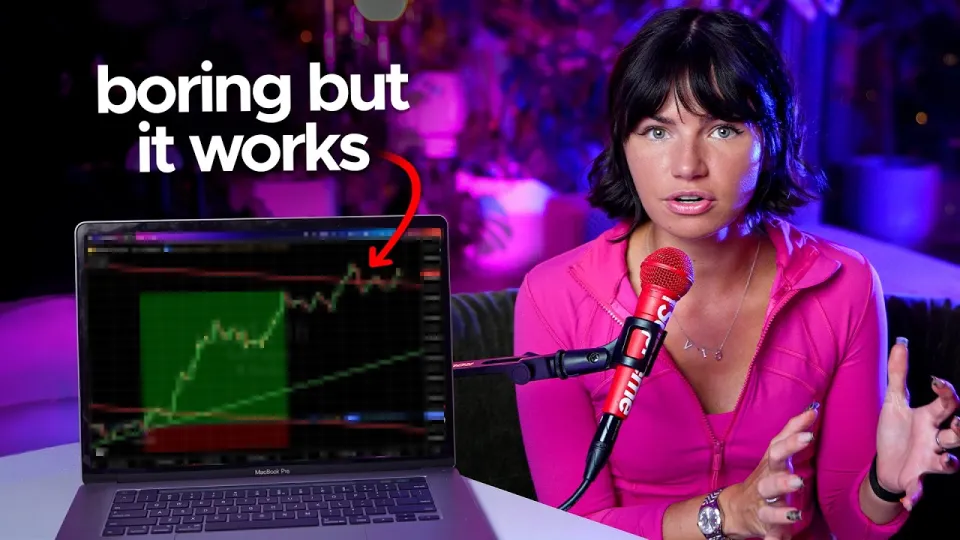
Trading is often perceived as complex, but the truth is trading can be simple and effective by following clear rules and systems. Anyone interested in trading, whether futures, forex, or swing trading, can implement straightforward strategies without needing a finance degree or advanced math skills. This article outlines practical approaches to trading based on proven techniques shared by experienced trader Tori Trades and shows how to apply them confidently.
The Core of Simple Trading Strategies
At the heart of simple trading is the use of trendlines and liquidity concepts. Trendlines help identify the current market direction, serving as your guide to when to enter or exit trades. Liquidity zones indicate points where price is likely to react, providing opportunities to place stop losses or profit targets.
- Draw trendlines connecting recent highs or lows to visualize momentum.
- Identify support and resistance zones where liquidity pools.
- Enter trades when price bounces off or breaks a trendline with confirmation.
- Place stops just beyond liquidity zones to manage risk effectively.
Using this method removes the need for complicated indicators or overwhelming data analysis, making trading accessible to all.
Step-by-Step Trade Execution from Entry to Exit
Successful trading requires a clear stepwise approach:
- Setup: Use TradingView or similar charting software to draw your trendlines on futures contracts or forex pairs.
- Entry: Look for a candle pattern that confirms the price respecting or breaking a trendline.
- Stop Loss Placement: Set stops just beyond the nearest liquidity zone, typically a few ticks or points away.
- Trade Management: Monitor price action actively; be ready to exit quickly if the market moves against you.
- Exit: Close the trade once your target profit is hit or if signs of trend reversal appear.
This system emphasizes discipline and simplicity, enabling traders to test and refine their strategies on platforms like TradingView.
Managing Volatility and Risk in Futures Trading
Futures markets, such as gold, can experience sudden volatility spikes. For example, gold prices can shift rapidly from slow movements to swift price changes within seconds. Effective risk management is critical:
- Always monitor trades actively to exit before large adverse moves.
- Use tight but sensible stop losses near liquidity areas.
- Be prepared for quick adjustments; do not rely solely on preset orders.
This hands-on approach minimizes losses and locks in profits during volatile swings.
Addressing Common Trading Questions
Many traders ask about stop loss placement, handling trendline breaks, and differences between futures and stock trading. Key points include:
- Stops should be placed just beyond liquidity zones or trendline bounces to avoid premature exits.
- When a candle closes green above a trendline after a pullback, it may signal a new entry opportunity.
- Futures trading differs from stocks because futures can move more rapidly and are influenced by different market algorithms.
- Active trade management is necessary to navigate live market conditions that rarely match textbook examples.
Understanding these nuances helps traders adapt their strategies for real-world effectiveness.
Tools That Support Simple Trading Systems
Utilizing the right platforms and tools enhances trading success. Two recommended services are:
- TradingView: A powerful charting platform to draw trendlines, analyze price action, and backtest strategies.
- TradeStation: A broker offering futures trading with advanced order execution and analytics.
Additionally, tracking trades systematically using platforms like TradeZella helps traders review performance and improve over time.
Useful Links
- Join the waitlist for exclusive trading strategy content: https://go.toritradez.com/waitlist-1009
- Track your trades like a pro: https://www.tradezella.com/?via=victoria with code TORI20 for discounts
- Start trading with TradeStation: https://www.tradestation.com/promo/toritrades/
Conclusion
Trading does not have to be complicated to be profitable. By focusing on simple, proven strategies using trendlines and liquidity concepts, traders can navigate markets effectively without complex tools or advanced degrees. Active trade management and risk control remain essential, especially in volatile futures markets. The approach shared by Tori Trades offers a clear, step-by-step system that can be tested and adapted by traders at any level. For those ready to improve their trading skills, joining the waitlist at Tori Trades is a valuable next step.
Questions & answers
How do I decide where to place stop losses in trading?
Stop losses are best placed just beyond key liquidity zones or trendline bounces to avoid getting stopped out prematurely while managing risk effectively.
Can trading futures like gold be very volatile?
Yes, futures such as gold can move extremely fast, sometimes changing direction within seconds, so active trade management is critical to avoid large losses.
What is the main difference between trading futures and stocks?
Futures trading often involves higher volatility and different market dynamics compared to stocks, with algorithms affecting price movements differently, requiring adapted strategies.
Is advanced math or a finance degree necessary to trade successfully?
No, trading can be successful using simple strategies like trendlines and liquidity concepts without advanced math or formal finance education.
Source: Unfortunately, trading really is this simple · Markdown version